You have equipment.
Plants being retired, projects canceled, units that will not be redeployed. We buy as principal, on our own capital, and take title at close.
Sell us your equipment→We buy surplus and stranded units outright, take title, restore them against a written scope, and redeploy them into projects that cannot wait on an interconnection date or an OEM production slot.
Interconnection queues in the major load centers now run years past the dates campus schedules were built around, and developers are going behind the meter — bridge power to carry load until backfeed is live, or islanded primary generation where interconnection never arrives at all. New gas turbine orders are themselves in a production queue measured in years. Meanwhile thousands of megawatts of installed and uninstalled equipment sit idle — some of it low-hour, some of it never fired — in decommissioned plants, canceled developments, and projects that never reached commercial operation.
Power View exists to move that equipment from where it is stranded to where it is needed, on a schedule set by the project rather than by the factory.
Range, not a quote. Where a package lands inside it depends on the class, the refurbishment scope, and how far it has to travel.
Much of the secondary power market is intermediated. Firms advertise equipment they have never owned, and a seller can find themselves several parties deep in a chain before reaching anyone who can actually commit. Power View does not work that way.
We buy for our own account and take title. We carry the equipment — and the cost and the risk of holding it — through inspection, removal, preservation, refurbishment, and transport. That is what lets us commit on a compressed timeline, take a package off the market while a buyer runs technical diligence, hold it through a refurbishment cycle, and stand behind the refurbishment scope on delivery. It also means the party you negotiate with is the party that will own the machine.
Plants being retired, projects canceled, units that will not be redeployed. We buy as principal, on our own capital, and take title at close.
Sell us your equipment→Bridge power to backfeed, or islanded primary generation. Sourced, refurbished, and delivered against your first-fire date.
Tell us your requirement→We do not publish inventory publicly. Current availability — output, hours, condition, location, and earliest ready-for-shipment date — is shared under a mutual NDA.
Direct relationships with plant owners, IPPs, decommissioning firms, and receivers.
Records, rotor life, and lay-up history first. Then the walkdown and borescope.
Principal purchase through a funded entity. We take title at close.
Disassembly and rigging under our contract, then preservation to a written procedure.
Shops qualified in the class, a written scope, and records that travel with the machine.
Heavy haul, customs, and delivery to site against your first-fire date.
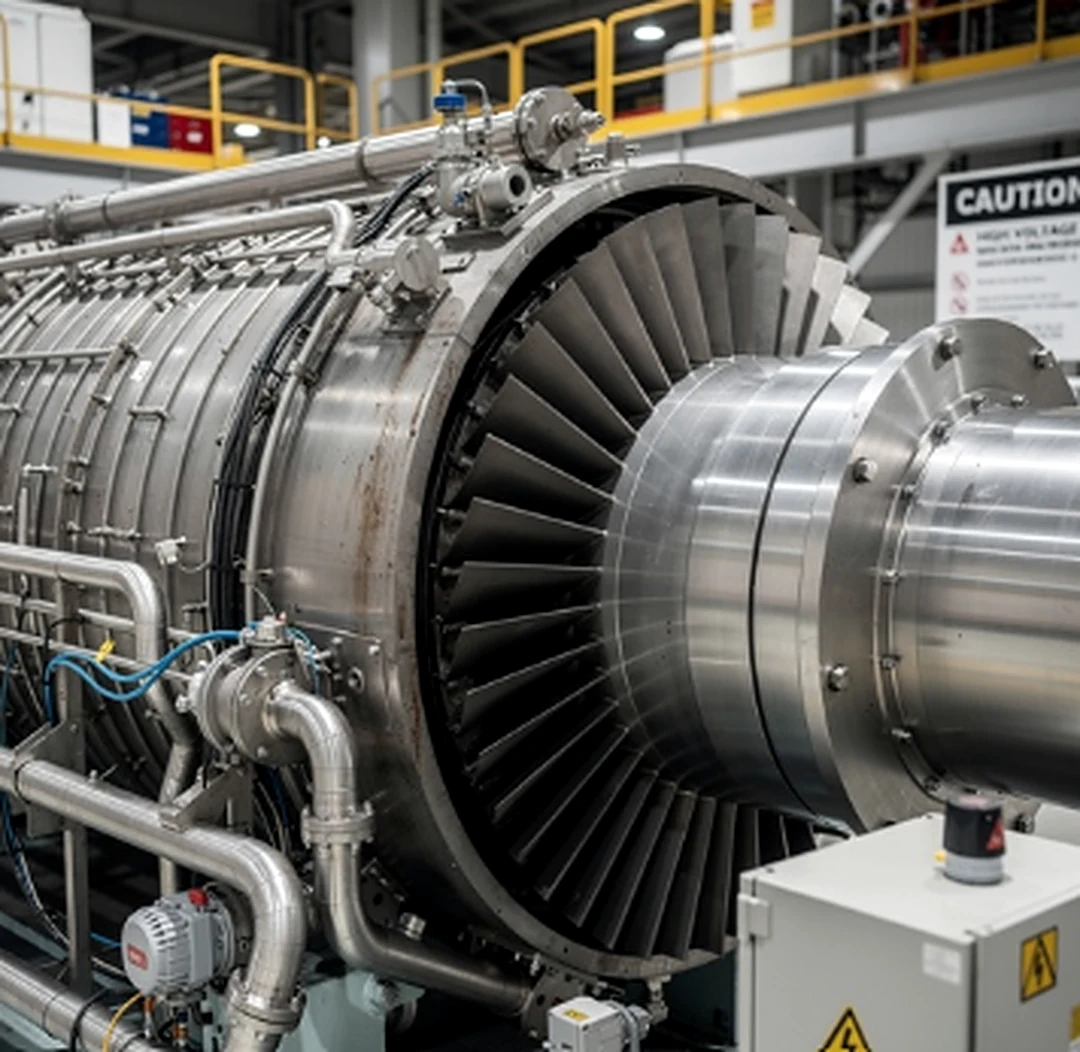
Condition is built from the records first, then the machine. Fired and factored hours and starts since the last combustion, hot gas path, and major inspection — or EOH where the OEM counts that way. Rotor life against the limit. TIL and service bulletin status, or on an aeroderivative, cycles and life-limited parts with back-to-birth traceability. How the unit was laid up since shutdown. Then a physical walkdown, a borescope, and a run-and-witness where the unit is still operable. Where records are thin or access is limited, we say so and price it that way rather than assuming the best case and repricing later.

Evan leads Power View, where he is responsible for acquisitions, capital, and the firm’s relationships with asset owners and end users of power generation equipment. He is also President of The Livingston Group, where he built out an industrial and data center development division — which is where the constraint Power View exists to address first became visible from the inside.
About Power View→One conversation, directly with the people who make the decision.